

In a world where noise pollution is becoming a growing concern, acoustic panels have emerged as an essential solution for controlling sound in various environments. Whether it's in a home theater, office, or music studio, these panels help to reduce unwanted noise and enhance sound quality. But how exactly do acoustic panels work? In this article, we will dive into the science behind acoustic panels, their applications, and how to choose the right one for your needs.
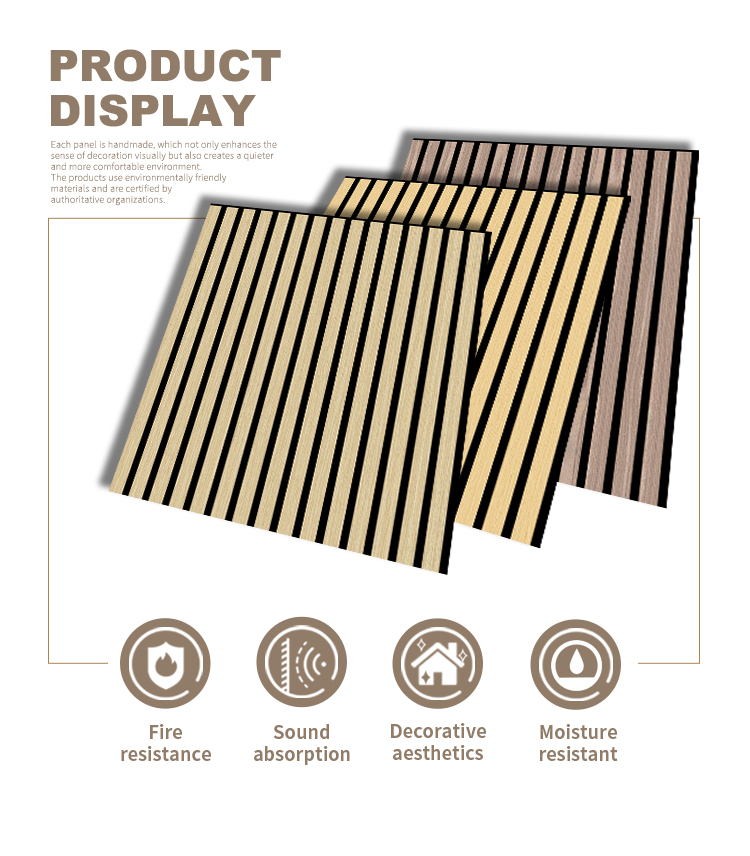
What Are Acoustic Panels?
Acoustic panels are specialized materials designed to absorb sound waves and control noise within a given space. They are often made from sound-absorbing materials such as foam, fiberglass, or fabric-wrapped cotton, which help reduce the amount of sound reflected in a room. By minimizing sound reflections, acoustic panels can improve the clarity of speech, music, and reduce echo, making them an essential tool for sound control.
How Do Acoustic Panels Work?
Acoustic panels function based on the principles of sound absorption. Sound waves, like any form of energy, travel through the air until they encounter a surface. When these waves hit a hard surface like a wall or ceiling, they bounce back, creating reflections and echoes. These sound waves can be unwanted, leading to poor sound quality.
The primary purpose of acoustic panels is to absorb sound waves, preventing them from bouncing back and causing unwanted noise. Here’s how the process works:
1. Sound Absorbing Materials
Acoustic panels are made from materials that absorb sound rather than reflecting it. Fiberglass, foam, and mineral wool are the most commonly used materials. When sound waves hit these materials, they penetrate into the surface and dissipate as heat energy, reducing the overall sound level in the room. The porosity of the material is key to this process – the more porous the material, the more sound it absorbs.
2. Design of Acoustic Panels
The design of the panels plays a significant role in how effective they are at absorbing sound. For instance, bass traps are specifically designed to absorb low-frequency sounds, while diffusers scatter sound waves to prevent direct reflections. Acoustic panels come in various shapes and sizes, including flat panels, wedges, and baffles, each suited for different types of spaces.
3. Sound Absorption
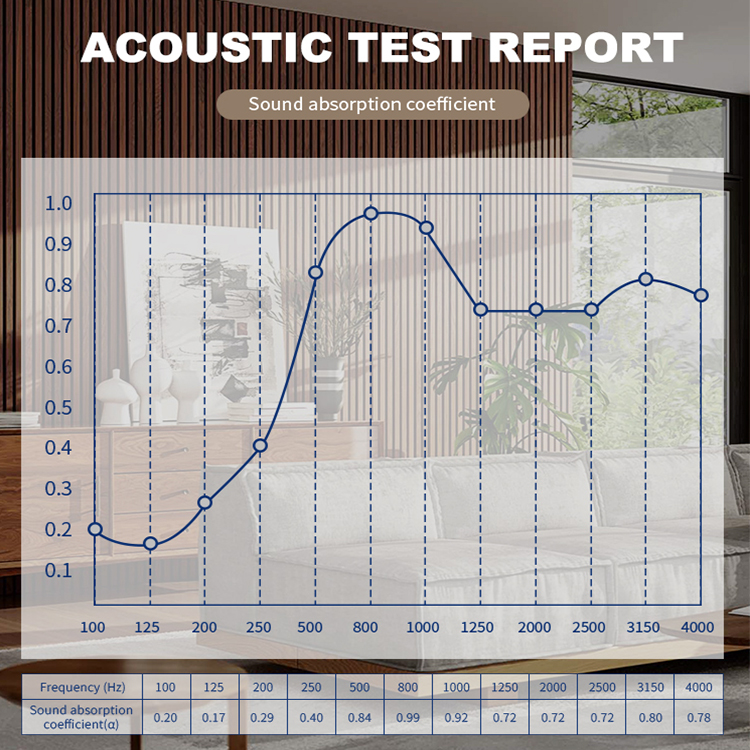
The effectiveness of an acoustic panel is measured by its NRC (Noise Reduction Coefficient) rating. This rating indicates how much sound the panel can absorb across different frequencies. Higher NRC ratings mean better sound absorption. In general, thick panels made from high-density materials will provide better results, especially in controlling lower frequencies.
Applications of Acoustic Panels
Acoustic panels are used in a wide range of environments where sound control is important. Here are a few examples:
- Home Theaters: To create an immersive movie-watching experience, acoustic panels can control reverberation and enhance audio clarity, improving dialogue intelligibility and overall sound quality.
- Offices: In office spaces, especially open-plan offices, acoustic panels help reduce noise distractions and improve speech intelligibility, creating a more productive environment.
- Recording Studios: For music producers and sound engineers, controlling sound is crucial. Acoustic panels help to create a clean, isolated sound environment where every nuance of the recording is captured.
How to Choose the Right Acoustic Panels
Choosing the right acoustic panels depends on several factors, including the size of the room, the types of sounds you want to control (e.g., high-frequency or low-frequency), and your aesthetic preferences.
- Room Size: Larger rooms may require more panels or thicker panels to absorb low-frequency sounds. Smaller rooms, on the other hand, might only need basic panels to control mid to high frequencies.
- Sound Frequency: For rooms that need to control bass-heavy sounds, bass traps or thicker panels are recommended. For controlling high-pitched noises, thinner panels will suffice.
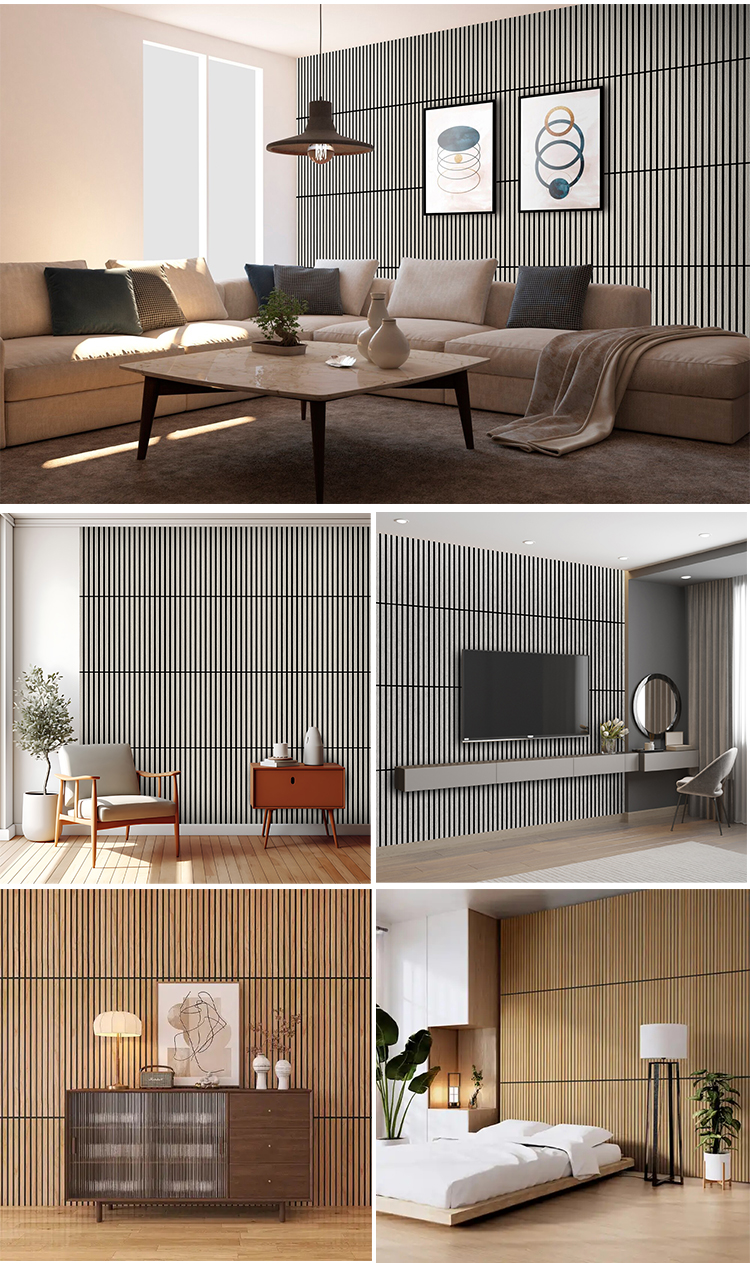
- Aesthetics: Acoustic panels come in various colors, sizes, and designs. It’s important to choose panels that blend with the interior decor of your space.
Conclusion
Acoustic panels are a simple yet effective solution for controlling sound in various environments. By absorbing sound waves, they help reduce noise pollution, improve sound quality, and create a more comfortable atmosphere in both residential and commercial spaces. Whether you’re setting up a home theater, an office, or a music studio, understanding how acoustic panels work will help you make an informed decision when choosing the right panels for your space.